Things To Do NY · The NYC bookshelf
There is a whole other city underneath your day.

Water arrives. Garbage leaves. Trains appear, eventually. The skyline seems inevitable until you ask who paid for it, and the street grid seems obvious until it abruptly stops being one. These books about how NYC works make the systems behind an ordinary day easier to see. Some explain physical infrastructure; others explain the decisions, incentives, and street life that make a city function.
How we chose: NYC relevance, a distinct reason to read each book, and a useful range of reader interests. Book details and edition notes were checked against publisher or author information on October 23, 2026. The numbers are a browsing order. Age ranges, where shown, come from the publisher; reading readiness varies.
Choose your first book
Start with The Works for illustrated explanations of city systems. Pick 722 Miles for subway history, City on a Grid for street planning, or Building the Skyline for the forces behind Manhattan’s height.
01. The Works: Anatomy of a City
Artwork may vary by edition.
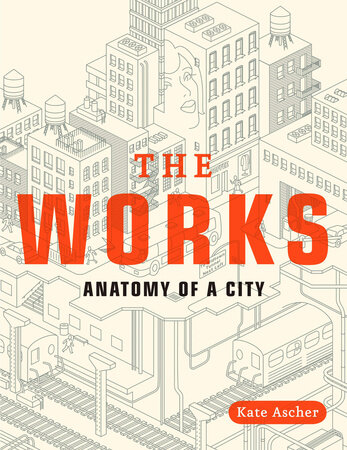
Illustrated explanations of the systems behind an ordinary day.
Kate Ascher makes the infrastructure of city life visible, from moving people and goods to handling utilities and waste. The visual approach is the main reason to start here: a diagram can give shape to a process you have relied on for years without really picturing it. This is a particularly good gift for a curious New Yorker who is more interested in how things connect than in a list of famous buildings. It makes practical questions feel like an invitation.
Choose the right copy: The reference ISBN identifies the paperback. The book’s publication-era figures and arrangements need historical context; use it for understanding systems, then verify present-day operating details separately.
Take it into the city: Choose one system you used before breakfast and trace, in general terms, the people and infrastructure that made it possible.
Reference ISBN: 9780143112709 · Publisher or author information
Find this book on Amazon → Paid link · Amazon search results · compare the exact edition and format02. The Death and Life of Great American Cities

Artwork may vary by edition.
A foundational argument about sidewalks and neighborhood life.
Jane Jacobs asks readers to pay close attention to the everyday activity that makes an urban neighborhood function. The book is valuable here because a city cannot be understood only as a collection of structures and service networks. People use the sidewalk, overlap their routines, support shops, and change the meaning of a place by being there. Read it when you want sharper questions to bring to a walk, and room to think critically about how planning ideas meet lived experience.
Choose the right copy: The reference ISBN identifies a 50th-anniversary hardcover edition. The original book dates to 1961 and addresses American cities more broadly; read its arguments in that context.
Take it into the city: Compare two blocks at the same time of day. Notice entrances, uses, people lingering, and what gives anyone a reason to stay.
Reference ISBN: 9780679644330 · Publisher or author information
Find this book on Amazon → Paid link · Amazon search results · compare the exact edition and format03. 722 Miles: The Building of the Subways and How They Transformed New York
Artwork may vary by edition.
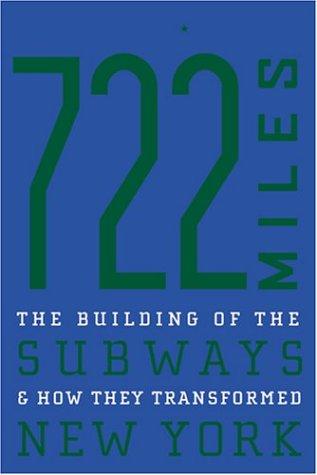
Transit history that connects engineering, politics, and city growth.
Clifton Hood traces the building of New York’s subways and the ways those decisions helped transform the city. The appeal is the relationship between a transit system and the places it enables people to live, work, and travel. It suits a reader who wants to understand how the network came to be, including the political and practical choices around its construction. A familiar ride can feel quite different once the route stops looking like an inevitable line on a map.
Choose the right copy: The reference ISBN is for the centennial edition. The title’s mileage is not a claim about the current network. This is a historical account, not a source for today’s routes, fares, or service alerts.
Take it into the city: Look at your usual route and ask which neighborhoods became easier to reach when that connection was first built.
Reference ISBN: 9780801880544 · Publisher or author information
Find this book on Amazon → Paid link · Amazon search results · compare the exact edition and format04. City on a Grid
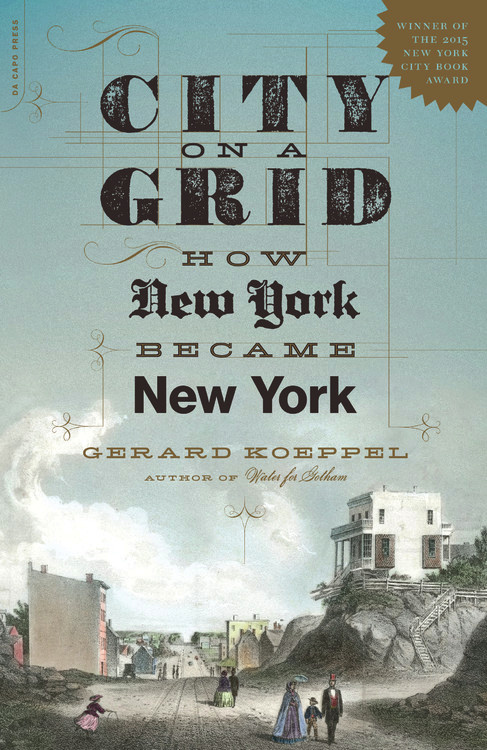
Artwork may vary by edition.
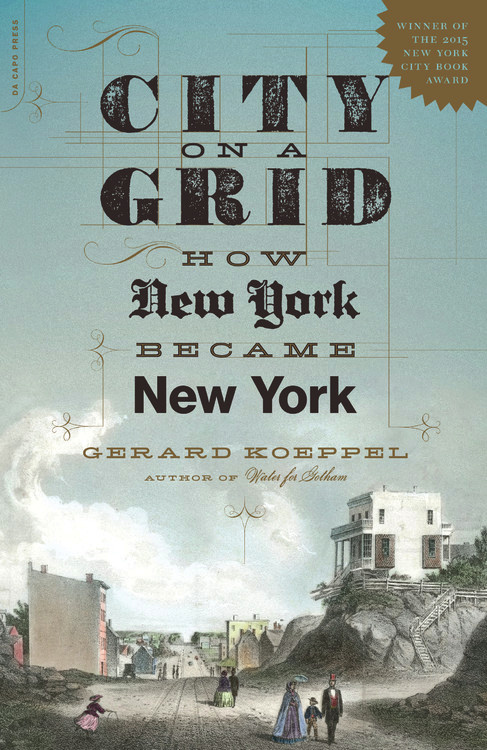
The origin story of Manhattan’s grid.
Gerard Koeppel turns the layout many people take for granted into a story of planning choices and their consequences. City on a Grid is especially well matched to the walker who navigates by numbered streets but has never paused over the ambition behind that arrangement. It gives you one clear question to follow, making it a manageable entry into urban planning history. You may finish with a more complicated response to the apparent simplicity of all those intersecting lines.
Choose the right copy: This book focuses on Manhattan’s grid and its origins. It should not be treated as a claim that all of New York follows the same layout, or as a current navigation guide.
Take it into the city: Notice the feeling of a regular numbered block, then compare it with an older or less regular street pattern elsewhere in the city.
Reference ISBN: 9780306825491 · Publisher or author information
Find this book on Amazon → Paid link · Amazon search results · compare the exact edition and format05. Building the Skyline: The Birth and Growth of Manhattan’s Skyscrapers
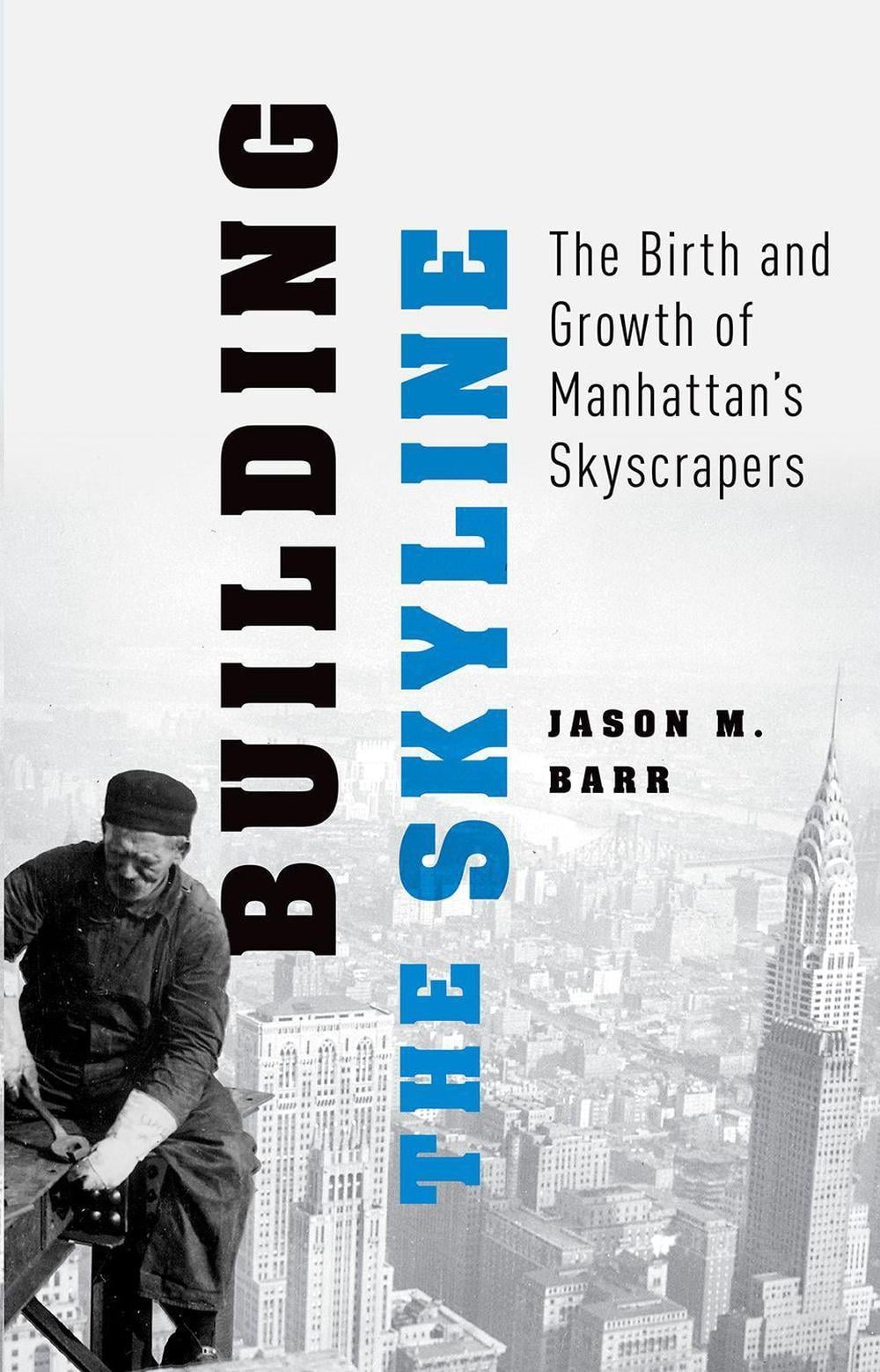
Artwork may vary by edition.
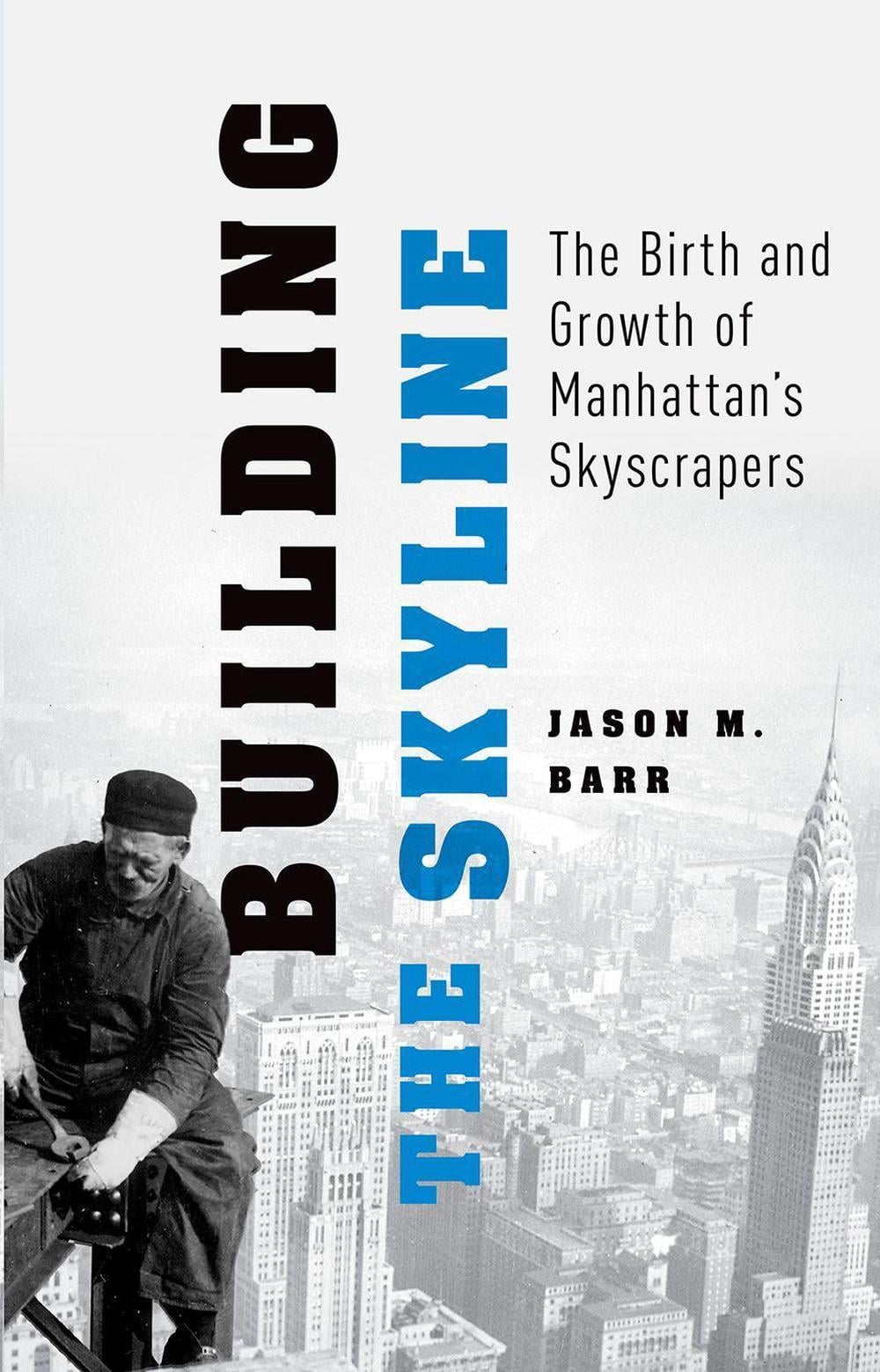
An analytical look at why Manhattan grew upward where it did.
Jason M. Barr approaches skyscrapers through the forces that make them happen: land, economics, development, and the history of Manhattan’s growth. Choose it when a beautiful skyline photograph leaves you with a less picturesque question about why those buildings are clustered in those places. It is a stronger fit for someone who enjoys explanation and analysis than for someone seeking a glossy collection of towers. The reward is a different way to read the profile of the city.
Choose the right copy: The reference ISBN identifies the paperback. Match the subtitle The Birth and Growth of Manhattan’s Skyscrapers; this is an analytical urban history rather than a building-entry or observation-deck guide.
Take it into the city: From a public waterfront viewpoint, look for clusters, gaps, and changes in height, then think about the forces behind the silhouette.
Reference ISBN: 9780190912291 · Publisher or author information
Find this book on Amazon → Paid link · Amazon search results · compare the exact edition and formatBefore you choose
Which book most directly explains NYC infrastructure?
The Works is the most direct match here for illustrated explanations of the systems that keep a city running. Its publication-era facts need context, but its visual approach is a useful starting point for curious readers.
Is 722 Miles a current subway guide?
It is a history of the subway’s construction and its effect on New York. The number in the title is not presented here as a current measurement of the network. Use current MTA information for routes, fares, service, and accessibility.
Why include Jane Jacobs in a how-the-city-works list?
Pipes and tracks are only part of the answer. Jacobs examines how sidewalks, mixed uses, and neighborhood activity support urban life. Her book helps you observe what people do with the spaces the city builds.
Book details and cover credits
Each book’s publisher or author reference is linked beside its ISBN. Descriptions and recommendations are original editorial commentary. Book-cover art belongs to the respective rights holders and is shown to identify the works discussed. Cover artwork can vary between editions.
- The Works: Anatomy of a City: book information · cover image source
- The Death and Life of Great American Cities: book information · cover image source
- 722 Miles: The Building of the Subways and How They Transformed New York: book information · cover image source
- City on a Grid: book information · cover image source
- Building the Skyline: The Birth and Growth of Manhattan’s Skyscrapers: book information · cover image source